
Protecting Your Steps: Understanding Peripheral Arterial Disease

September is Peripheral Arterial Disease (PAD) Awareness Month. PAD is a common, serious vascular condition that narrows arteries, reduces blood flow to the limbs, and significantly increases the risk of non-healing wounds and amputation.
Understanding Peripheral Arterial Disease
PAD develops when fatty deposits (plaque) build up inside the arteries, restricting vital oxygen-rich blood from reaching the legs and feet. Key points include:
Risk Factors: Smoking, diabetes, high blood pressure, high cholesterol, and advanced age are major contributing factors.
Symptoms: Leg cramping during activity (claudication), coldness in lower legs/feet, skin color changes, weak leg pulses, and painful sores on toes or feet.
Complications: Untreated PAD can lead to critical limb ischemia (CLI), severe non-healing diabetic foot ulcers, gangrene, and potential limb loss.

Standard Management for PAD
Managing PAD focuses on improving blood flow, managing cardiovascular risks, and avoiding amputation:
Lifestyle Changes: Supervised walking programs, smoking cessation, and strict blood sugar control.
Medications: Antiplatelet drugs, cholesterol-lowering statins, and blood pressure control medications.
Surgical Interventions: Angioplasty, stenting, or vascular bypass surgery to manually restore arterial blood flow.
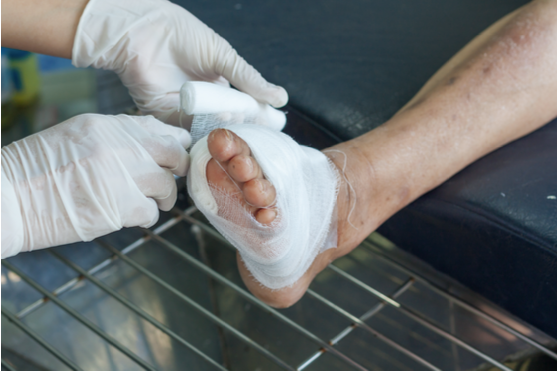
How HBOT Directly Aids PAD Symptoms & Diabetic Wounds
While standard medical procedures target the large clogged arteries, HBOT works at the microvascular level to directly treat the severe symptoms caused by poor blood flow:
Saves Non-Healing Ulcers: Delivers high-concentration oxygen deep into hypoxic (oxygen-starved) foot and leg ulcers to jumpstart stalled wound healing.
Stimulates Micro-Vessel Growth: Triggers the body to build new capillary networks (neovascularization) in ischemic limbs, delivering oxygen past blocked main arteries.
Fights Severe Infections: High oxygen levels enhance white blood cell function and stop anaerobic bacterial growth in compromised tissue, preventing gangrene.
Reduces Amputation Risk: Proven to significantly lower the rate of lower-extremity amputations in patients with complex, non-healing vascular wounds.

Conclusion
Recognizing PAD early and protecting lower extremity tissue is critical to maintaining mobility and quality of life. If you or someone you care about is living with PAD, poor circulation, or a foot sore that won't heal, advanced wound care and HBOT can make all the difference.
If you have questions, give us a call at 859-420-6362, or click here to fill out a secure
Pre-Qual form, and we'll contact you.


Comments